
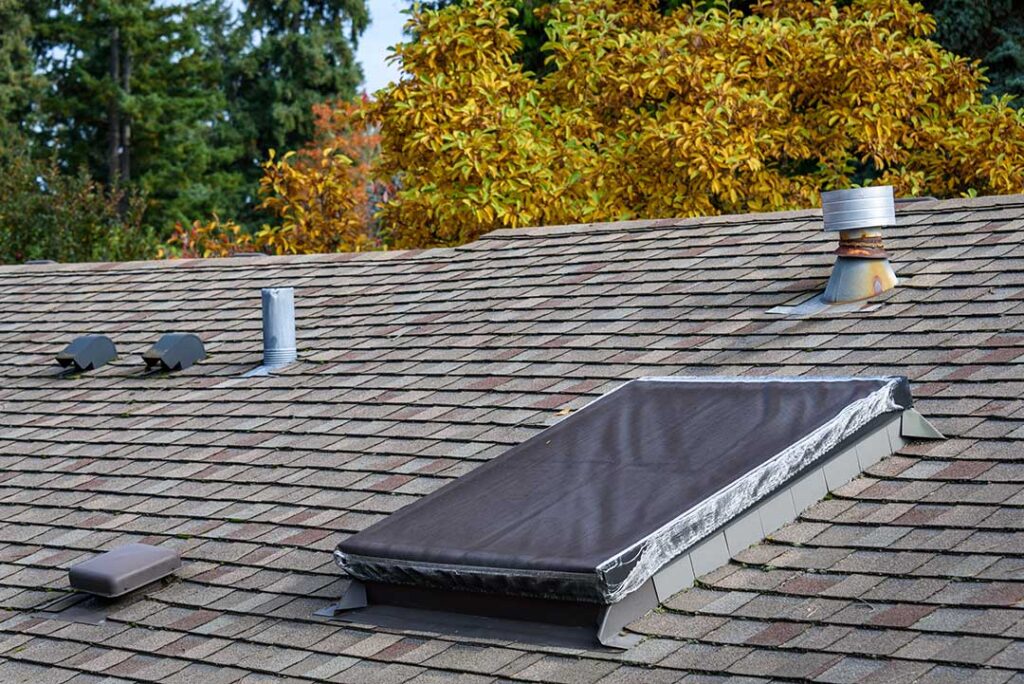
What Does Hail Damage Look Like on Residential Roofs?
Hail can cause a range of visible and hidden issues on roofing materials. In Lancaster, NY, hailstorms are often accompanied by high winds and fluctuating temperatures, leading to various forms of roof damage. Damage might not be immediately obvious from the ground, but clear indicators become visible upon closer inspection:
- Irregular, dark spots or bruises on asphalt shingles
- Loss of granules, leaving exposed areas that look shiny or different from the surrounding roof
- Cracks, dents, or small holes, especially on metal flashing or vents
- Splitting or breaking in wooden or slate shingles
Shingle bruising may feel soft like a bruise on fruit. On newer roofs, these marks might be subtle, while older roofs can show rapid granule loss and exposed underlayment.
How Can Lancaster Residents Safely Inspect for Hail Damage?
A visual inspection from the ground is the safest first step. Area households can often spot potential damage using binoculars rather than climbing onto the roof. Common signs to look for:
- Patches of loose asphalt granules around downspouts or in gutters
- Debris accumulation in gutters, which may include shingle fragments
- Noticeable dents on roof vents, flashing, or other metal fixtures
- Unexpected dampness in attic spaces after a storm
If leaves and branches were stripped from trees during a storm, there’s a higher chance the roof may have sustained hail hits as well.
What Are the Most Common Misconceptions About Hail Damage?
Many local residents believe hail must be very large to cause problems or that visible holes always occur. In fact, even smaller, pea-sized hail can gradually contribute to shingle wear. Here are key misunderstandings:
- Myth: Only large, golf ball-sized hail is damaging.
Fact: Even small hailstones can loosen granules and accelerate shingle aging, especially when combined with wind.
- Myth: If a roof isn’t leaking, there’s no damage.
Fact: Hail damage can take months or years to create interior leaks, but premature aging begins right after impact.
- Myth: All hail marks look like visible holes.
Fact: Most damage is subtle, showing as bruised spots or lost granules rather than punctures.
Why Does Roof Age Matter in Hail Damage?
Older roofs in Lancaster often show damage differently compared to newer installations. Aging shingles lose flexibility and granule adhesion over time, making them more susceptible to:
- Granule shedding, which reduces protection from UV rays
- Cracking or splitting with lesser impacts
- Water infiltration more quickly if underlying materials are exposed
New roofs usually have better resistance to small hail impacts, but any dents or blemishes should still be documented and monitored for changes.
How Can Hail Damage Differ Across Roofing Materials?
Roofs in Lancaster use various materials, each reacting differently to hail impacts:
- Asphalt shingles: Most common, showing bruising, dents, or granule loss.
- Metal roofing: Visual dents, especially on softer metals, but rarely causes leaks unless seams are affected.
- Slate or tile: May crack, split, or chip; these breaks are often easily spotted but may risk falling debris.
- Wood shingles: Split along the grain or show indentation marks, altering how water flows over the roof’s surface.
Review manufacturers’ guidelines specific to your roofing type for precise maintenance and inspection tips.
When Is a Closer Roof Inspection Warranted?
After a significant hailstorm, especially one that left visible debris in yards or damaged vehicles, it’s reasonable for community members to suspect possible roof damage. Consider a closer look if:
- Gutters are overflowing with shingle granules
- Neighbors in the area report similar damage
- There are new water stains on interior ceilings or attic rafters
- You notice loose, curled, or missing shingles soon after a storm
If safe, examine accessible eaves or detached garage roofs first, which may help confirm whether your home’s main structure is at risk.
What Factors Influence the Impact of Hail on Local Roofs?
Several variables affect how hail might damage homes in the local area:
- Age and type of roofing material
- Direction and strength of wind during a storm
- Roof slope (steep roofs may shed hail more easily)
- Recent maintenance or wear patterns
- Presence of tree cover, which may shield parts of the roof or lead to additional impacts from falling branches
Not all parts of a roof will necessarily exhibit damage, so check multiple exposures (north, south, east, west) if possible.
How Can You Differentiate Between Hail Damage and Other Roof Issues?
Not all blemishes or missing granules are caused by hail. In the city’s climate, freezing and thawing cycles, aging, wind, and algae can all mimic hail-related effects. Key differences:
- Hail damage often appears as random, circular or irregular dark marks, unlike the uniform wear seen with aging.
- Granule loss from hail will be patchy, in contrast to consistent shedding found in older roofs.
- Split shingles from hail typically have sharp, fresh edges, not the worn appearance of long-term deterioration.
Documenting the date, size, and duration of any storm events can also help distinguish weather-related causes from preexisting roof conditions.
