
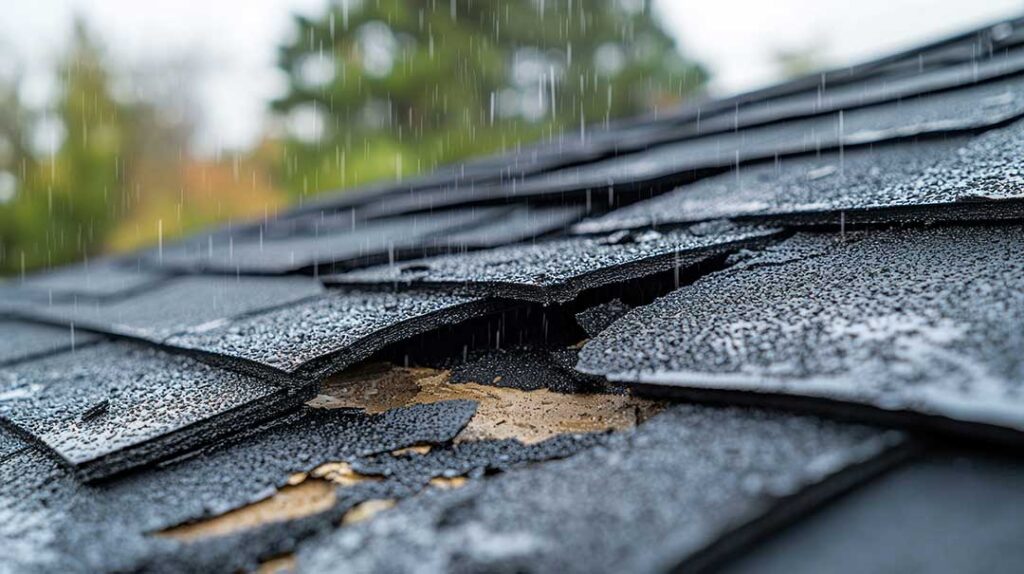
How Should Lancaster, NY Residents Respond to a Discovered Roof Leak?
Seeing water spots on the ceiling, hearing a drip during a rainstorm, or discovering pooled water in the attic can be alarming for any property owner. In the city, rapid shifts from snowy winters to heavy spring rains are common, and these weather swings can put extra strain on roofing materials. Responding quickly, safely, and effectively to a leak can prevent further damage and unnecessary repairs.
Small leaks do not always mean there’s a major problem, but ignoring a leak—no matter the size—almost always leads to worse issues later. Acting promptly protects both your home and your budget.
What Are the First Steps to Take When You Notice a Leak?
The most important initial action is to limit water damage inside your home while keeping personal safety in mind.
Here’s what residents should do right away:
- Move furniture, electronics, and valuables away from the affected area.
- Place a bucket or waterproof container under the leak to catch water.
- If water is pooling in the ceiling and causing sagging, poke a small hole to release it gradually into a container—this helps prevent a sudden collapse.
- Dry standing water on the floor with towels to prevent slips.
Avoid trying to access a wet, slippery attic or climbing on the roof during rainfall. Wet conditions increase the risk of falls and electrical hazards.
Can You Identify the Source of the Leak Yourself?
Finding the exact path water takes into your home is surprisingly difficult. Water can travel along rafters, vapor barriers, or insulation before appearing elsewhere.
It is sometimes possible to spot a likely source indoors:
- Inspect the attic with a flashlight during daylight; look for darkened wood, damp insulation, or visible drips.
- During dry weather, check for daylight shining through the roof boards or damaged areas near joints, chimneys, skylights, or ventilation stacks.
Remember, even small leaks can stem from worn flashing, missing shingles, ice damming at gutters, or previously unnoticed storm damage—especially after frequent freeze-thaw cycles. Avoid removing insulation or pulling at roofing material, which can make water intrusion worse.
Are There Temporary Fixes Until Permanent Repairs Happen?
Temporary protection can buy time until weather improves or a safe repair can be made.
For a stopgap:
- Stretch a heavy-duty plastic sheet or tarp over the area inside the attic, securing it to prevent water drips from spreading.
- On the outside, only cover the roof with a tarp if it's absolutely dry and safe to access, which is rarely possible during active weather.
For attics, placing a fan to circulate air and speed drying helps reduce the chance of mold growth—but only if it can operate safely away from standing water.
How Does Climate in Lancaster Influence Leak Risks and Responses?
Local homes are no strangers to freeze-thaw patterns, thick snow loads, wind-driven rains, and occasional ice dams. These factors:
- Cause shingles to buckle, lift, or crack more often than in milder climates.
- Lead gutters to back up with ice, pushing water beneath shingles—one of the leading causes of leaks in the community.
Residents should pay special attention to:
- Clearing snow buildup from roof edges and gutters during winter, but not by climbing onto the roof—using a roof rake from the ground is usually safer.
- Checking for clogged downspouts in the spring to avoid overflow near vulnerable parts of the house.
When Should Safety or Health Concerns Take Priority?
Some situations require prompt attention beyond merely stopping the water.
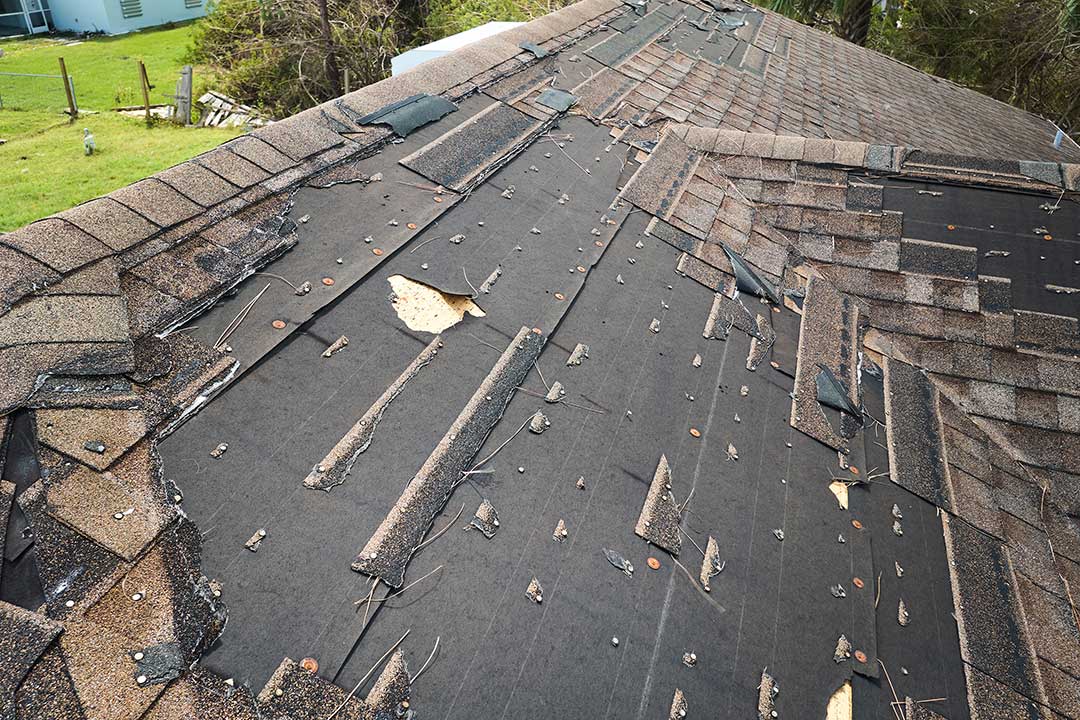
Seek immediate assistance if you notice:
- Water coming from or near electrical fixtures, wiring, or fuse boxes.
- Signs of major structural damage—sagging ceilings, bowing rooflines, or loud cracking sounds.
- Strong, musty odors or visible mold, especially if household members have allergies or respiratory concerns.
In these circumstances, it is safest to turn off electricity to the affected area and remain clear of the space until professional help arrives.
Could Insurance Cover Emergency Mitigation or Damage?
Many property insurance policies in the area cover sudden and accidental water damage, but exclude problems caused by long-term neglect or lack of maintenance.
Document all damage with photos. Keep notes of what steps you’ve taken. Save receipts for any emergency repairs or mitigation supplies you purchase (such as tarps or buckets). Quick, thorough documentation supports a smoother insurance claims process if you decide to file.
What Are Common Misconceptions About Roof Leaks in Local Homes?
Residents sometimes underestimate how quickly damage can spread or misjudge the cause.
A few persistent misconceptions:
- Assuming only heavy rain reveals leaks; melting snow or ice can be just as damaging.
- Believing newer roofs can’t leak. Even recently installed roofing may develop weak spots if ventilation, flashing, or insulation is improperly handled.
- Dismissing small stains as harmless. Even minor ceiling stains can indicate hidden moisture problems.
Replacing missing shingles after a windstorm or patching a hole does not always resolve the underlying issue if flashing, underlayment, or hidden ice dams are involved.
Are There Ways to Prevent Future Leaks After an Incident?
Routine monitoring and minor upkeep significantly reduce leak risk, especially in an area with four distinct seasons. Here are a few ongoing habits that help:
- Keep gutter channels clear mid-fall and early spring.
- Inspect the attic for musty smells or new water spots after any storm or thaw.
- Look for granule loss or lifted shingles from ground level after strong winds.
Taking these small, proactive steps helps keep water out—and peace of mind in—no matter the season.
