
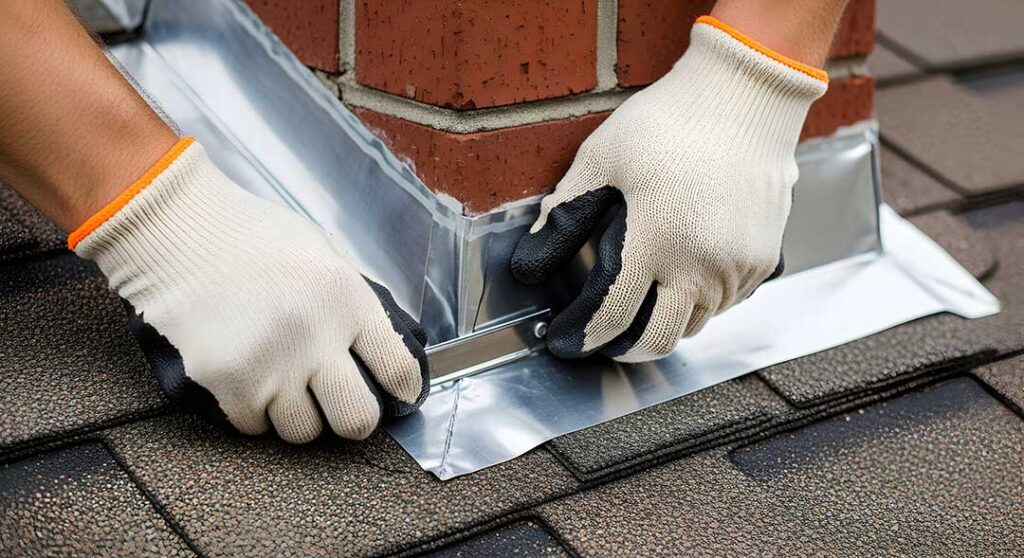
What Is Roof Flashing?
Roof flashing is a thin material—usually made from metal like aluminum, copper, or galvanized steel—installed at critical areas on a roof to prevent water from seeping into the home. Its primary role is to direct water away from vulnerable joints, valleys, and edges. Without flashing, even a well-built roof is at higher risk for leaks, especially in places where roof surfaces intersect or meet a wall.
In Lancaster, NY, with its mix of historic homes, heavy seasonal precipitation, and periods of freeze-thaw, flashing is a crucial line of defense against interior water damage.
Where Is Roof Flashing Used and Why?
Flashing has a specific purpose at every location on a residential roof. It's commonly found:
- Around chimneys and skylights—the seams between masonry or glass and shingles are prone to leaks
- Along roof valleys—where two sections of roof slope meet and channel large volumes of water
- At the base of walls adjoining roofs (step flashing)—for attached garages, dormers, or sunrooms
- At roof edges—often called drip edge flashing, preventing water from wicking under the shingles
These areas are more exposed to moisture intrusion, particularly during Lancaster’s heavy spring rains or rapid snowmelt events in late winter. Properly installed flashing helps keep attics, walls, and living spaces dry, even after long spells of precipitation.
How Does Flashing Protect Against Local Roof Leaks?
Flashing works by forming a barrier and redirecting water away from the most exposed joints. In practice, this means:
- Channeling water away from seams towards the gutters
- Preventing melting ice and snow from sneaking underneath shingles during freeze-thaw cycles
- Minimizing the risk of rot, mold, and deterioration in the wood or masonry underlying the roof structure
Roofs in the community see a unique mix of ice, wind, and driving rain, all of which can test the limits of flashing. In winter, ice dams can push water backward under shingles; robust flashing can be the difference between a dry interior and a costly repair.
What Are the Most Common Types of Roof Flashing?
Lancaster residents will encounter several types, including:
- Step flashing—used where a vertical wall meets the roof
- Counter flashing—embedded into a wall or chimney, overlapping other flashing to push water out
- Valley flashing—a wide piece running down the roof valleys
- Drip edge—placed along eaves and rakes to defend edges
Each type suits a specific architectural need, and the right material and installation style can vary, especially among the area’s older homes with brick or stonework chimneys.
Why Do Flashing Failures Cause Serious Problems in the City?
When flashing is missing, poorly installed, or deteriorates with age, leaks become much more likely. Some frequent issues seen around local homes include:
- Rusted or corroded metal, especially after decades of snow and rain
- Loose or missing sections due to wind uplift during storms
- Inadequate sealing or improper overlaps letting water through
Even small gaps can introduce moisture to the roof’s underlying layers, leading to:
- Rotting rafters and roof decking
- Interior ceiling or wall stains
- Attic mold and increased humidity levels
Damage from minor leaks can remain hidden for months, often only surfacing as paint bubbles, musty odors, or sagging drywall. For older homes in Lancaster with attics or additions, overlooked flashing problems are a common source of costly surprises.
Can Roof Flashing Be Maintained or Repaired?
Flashing is not a set-and-forget element. Local homeowners can extend the life of their roofs with periodic checks. Practical steps include:
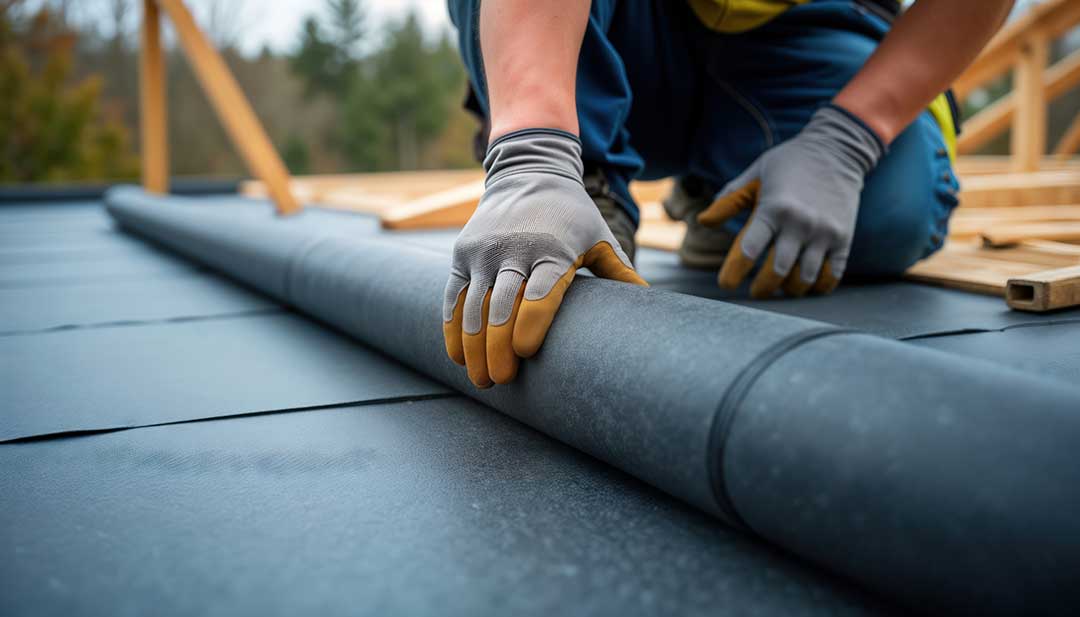
- Inspecting visible flashing for corrosion, cracks, or loose sections after heavy storms
- Checking for leaves or debris in valleys, which can trap water and accelerate flashing decay
- Looking for signs of rust streaks, water stains on the underside of roof decking, or dark spots in the attic
Replacing or resealing flashing—especially higher up or on complex rooflines—often requires experience, and any work involving tall ladders or electrical hazards should be approached with care. For DIYers with single-story homes, small repairs such as replacing a missing piece of drip edge or resealing chimney flashing with roofing caulk are possible, provided safety precautions are in place.
What Are Common Misconceptions About Flashing in Residential Roofing?
Some local myths and misunderstandings can lead to bigger problems over time:
- “If the shingles look good, the flashing must be fine.” — Flashing can fail long before shingles do.
- “Painted flashing lasts longer.” — Paint may only hide rust or deterioration, not prevent it.
- “Sealant alone will stop leaks.” — Roofing cement is often a temporary solution; full replacement may be needed.
Understanding these misconceptions helps residents recognize the unique value of this often-overlooked detail.
How Does Lancaster’s Climate Affect Roof Flashing?
The city's four-season climate means flashing is exposed to extremes:
- Heavy, wet snow puts pressure on flashing seams
- Freeze-thaw cycles open tiny gaps and cause expansion and contraction
- Periods of persistent wind-driven rain expose flaws at valleys and edges
Many area homes built decades ago relied on materials that may now be nearing the end of their service life. Newly built or renovated homes often use more corrosion-resistant metals, but regular inspection remains essential.
What Should Local Residents Watch For Each Season?
A seasonal routine is one of the best defenses for area households:
- After winter: Check for ice dam damage at edges and valleys
- In spring: Inspect for wind-lifted or loosened flashing after storms
- End of summer: Confirm all flashing is intact before leaves and debris start collecting on the roof
Staying aware of these simple cues can prevent bigger moisture surprises later on and help extend the functional lifespan of local roofs.
