

How Do Animals Cause Roof Damage in Lancaster, NY?
Animals common to Lancaster, NY—such as squirrels, raccoons, birds, bats, and even insects—can have a significant impact on roof integrity. Damage often goes undetected until problems become costly or visible from inside the home. Animals can physically break through roofing materials, create entry points for water, and contribute to faster wear of shingles and underlayment.
Typical animal activities leading to roof issues:
- Chewing, gnawing, or pecking at shingles, soffits, and fascia boards to create housing or access
- Clawing or nesting in attic spaces, insulation, and ventilation systems
- Bringing in moisture and organic debris, which can accelerate rot or mold growth
- Displacing and damaging flashing or vent covers
Which Animals Are Most Problematic for Roofs in the City?
The primary offenders vary by season and property type, but these are often seen in Lancaster:
Squirrels: Their strong teeth allow them to gnaw through wood, asphalt shingles, plastic roof vents, and even thin metal. Squirrels typically access roofs from overhanging branches and seek attic spaces, especially as temperatures drop in autumn.
Raccoons: Powerful paws and intelligence make raccoons capable of lifting shingles or tearing through weak spots in soffits and roof edges. They are known to exploit existing minor gaps and widen them rapidly.
Birds: Starlings, pigeons, and sparrows frequently nest in roof vents and gutters. Bird droppings are acidic and can shorten the lifespan of roofing materials. Nests can also block drainage, leading to ice dams or leaks.
Bats: Small openings around eaves or attic vents provide bats with entry to roost. Bats themselves cause little physical harm, but their droppings (guano) can create hazardous conditions and contribute to wood rot and odor problems.
Insects and Smaller Critters: Wasps and bees occasionally start hives under eaves, and carpenter ants might exploit moist roofing or wood softened by other animal activity.
Can Animal Damage Be Mistaken for Other Roofing Issues?
Yes—one reason animal-related roof damage is often overlooked is that it can mimic normal wear and tear or storm damage. Gnawed edges, holes, and torn areas might be mistaken for wind or hail damage. Similarly, leaks caused by animal nests in gutters or vents can look like normal water intrusion.
Residents sometimes assume that small holes near the roofline are harmless or caused by falling branches when, in fact, they are entry points for wildlife. Unexplained attic noises (especially at dawn or dusk) or sudden increases in debris near downspouts can help identify animal involvement.
What Seasonal Risks Are Higher in Lancaster?
Animal impact on roofs changes throughout the year based on local climate and wildlife behavior:
- Spring: Increased bird nesting activity in vents and gutters. Squirrels and raccoons inspect homes for safe birthing locations.
- Summer: Animals are less likely to break into attics but will create or expand nests. Insects take advantage of exposed wood or gaps.
- Autumn: Squirrels are most active preparing for winter. Raccoons may become more persistent as temperatures drop.
- Winter: Ice dams or heavy snow may create easy new entry points, and animals seek warm shelter in attics.
Homes located near wooded areas or with mature landscaping are at greater risk due to easy access from trees or shrubs.
How Can Homeowners in Lancaster Identify Early Signs of Animal Roof Damage?
Early detection helps prevent bigger problems. Watch for these signs:
- Shingles or roof vents with chew marks, scratches, or missing pieces
- Accumulated nesting material in gutters or visible from ground level
- Sounds of scurrying, scratching, or chirping, especially after dark
- Droppings in attic spaces, along roof edges, or near entry holes
- Unexplained stains or odors inside the attic—these may signal droppings, urine, or rotting material
- Sagging, uneven, or water-stained soffits and fascia boards
Simple binocular inspections from the ground can reveal many of these problems without climbing onto the roof.
What Preventive Actions Are Effective for Locals?
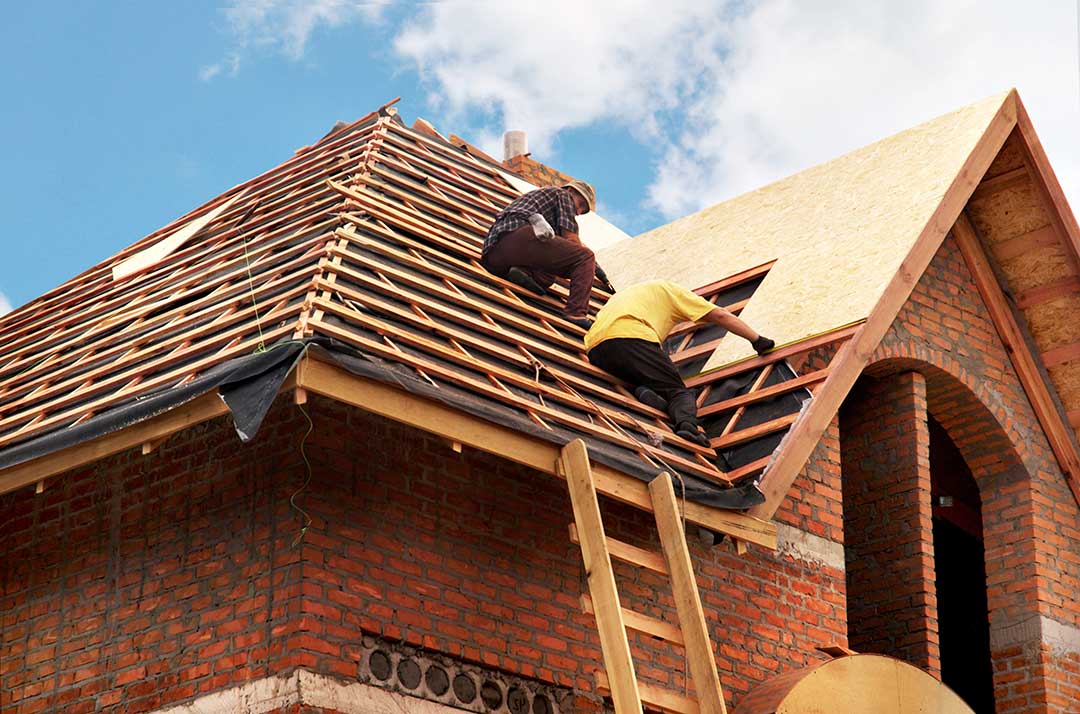
Many residents ask about deterrents and prevention rather than repair. Common, practical steps include:
- Trimming tree branches at least six to eight feet away from the roof to minimize bridge access
- Regularly cleaning gutters and inspecting vent covers each spring and fall
- Sealing small gaps with hardware cloth or mesh, focusing on soffit and attic vent areas
- Replacing missing, damaged, or loose shingles quickly—small problems give animals a foothold
- Storing potential nesting materials such as yard debris and firewood away from buildings
- Managing food waste and bird feeders that could attract wildlife near the home
Some animal control measures are regulated—residents should confirm any wildlife exclusion steps align with local ordinances and humane practices.
What Are Common Misconceptions About Animal-Related Roof Issues?
Several myths persist in the community:
- Only old roofs are vulnerable. Even new or recently replaced roofs with minor gaps or poor flashing can be breached.
- Animals won’t tackle certain materials. While metal is harder to chew than wood, persistent animals can exploit any weak spot, especially around connections and fasteners.
- If wildlife isn’t seen, it isn’t a risk. Roof and attic activity often happens when residents are less likely to observe it—at night, or in less-used parts of the home.
- Small animals can’t do much harm. Even mice or starlings can cause mold growth, foul odors, or water backup by nesting in gutters and soffits.
Understanding the real drivers of roof wildlife activity helps residents address risks with more confidence.
When Should Professional Help Be Sought?
While many minor repairs and deterrents can be addressed directly, there are situations where professional animal removal or roof repair is necessary for safety or legal reasons:
- Discovery of large animals, aggressive species, or signs of infestation (multiple entry points, substantial droppings)
- Suspected structural weakening of the roof or major water damage
- Presence of bats (special regulations protect bat species and removal requires care)
- Health concerns from droppings, mold, or foul odors spreading into living areas
Area homeowners’ associations or local health officials can supply additional guidance if needed, particularly for issues involving protected wildlife or widespread infestations.
