

What Is Roof Underlayment and Why Does It Matter?
Roof underlayment is a protective layer installed between the wood decking of a roof and the visible outer roofing material, like shingles. This layer acts as a secondary barrier against water, wind, and seasonal weather challenges common in Lancaster, NY. Without effective underlayment, even minor leaks or wind-driven rain can reach the wood deck, leading to rot or mold—issues that can be costly over time for area homeowners.
What Are the Main Types of Roof Underlayment?
There are three primary categories of roof underlayment:
- Asphalt-Saturated Felt: Sometimes called "felt paper" or "tar paper," this has been a traditional option for decades. It provides a reasonable moisture barrier but is heavier and less resistant to tearing than newer alternatives.
- Synthetic Underlayment: Made from polypropylene or polyethylene, synthetic options are lighter, more tear-resistant, and often offer improved protection from moisture. Many newer homes and roof replacement projects in Lancaster now use synthetic products due to their durability.
- Rubberized Asphalt: This offers a sticky, waterproof membrane with exceptional performance, especially in areas prone to ice dams—an issue often seen after snowy Western New York winters. It's commonly used in vulnerable roof areas, such as eaves and valleys.
The best choice depends on roof slope, budget, and concerns like ice damming or wind uplift, all of which are factors influenced by the local climate.
How Does Roof Underlayment Protect Against Weather in Lancaster?
Underlayment plays a critical role in the city’s varied climate. Heavy snow, periodic freeze-thaw cycles, and springtime rainstorms can all test the limits of a roof system. Underlayment provides:
- Moisture Defense: It catches water intrusion when shingles or roofing materials become damaged or dislodged during wind storms or ice buildup.
- Ice Dam Protection: In cold seasons, ice dams can lead to water backing up under shingles. Ice and water barrier underlayment, often required along roof edges by New York codes, helps defend against this.
- Wind Resistance: Shingles may lift or shift in intense gusts. Quality underlayment adds an extra layer to prevent direct water access to the roof deck.
Is Roof Underlayment Required by Building Codes?
Yes, roof underlayment is generally a mandatory part of residential roofing in the region. Many local building codes—including those in Lancaster—require water-resistant underlayment across the entire roof deck. Ice and water shield underlayment is also typically required along the eaves and in roof valleys. These codes are based on historic weather patterns, aiming to prevent interior water damage and structural decay.
What Happens If the Underlayment Is Damaged or Missing?
If underlayment is torn, punctured, or improperly installed, the risk of leaks increases significantly—especially after a storm or heavy snowfall. Common issues local residents might notice include:
- Damp attic insulation or stained ceilings following rain or snowmelt
- Mold or musty smells developing after wet weather
- Curling or missing shingles exposing the underlayment to the elements
Even if the outer roof covering appears intact, compromised underlayment can allow gradual damage to develop beneath the surface.
How Can Area Homeowners Identify Underlayment Problems?
While underlayment is not visible from the ground, signs of problems may include:
- Water stains on interior ceilings or walls near the top floor
- Uneven roof lines or visible buckling between shingles
- Persistent attic moisture or condensation
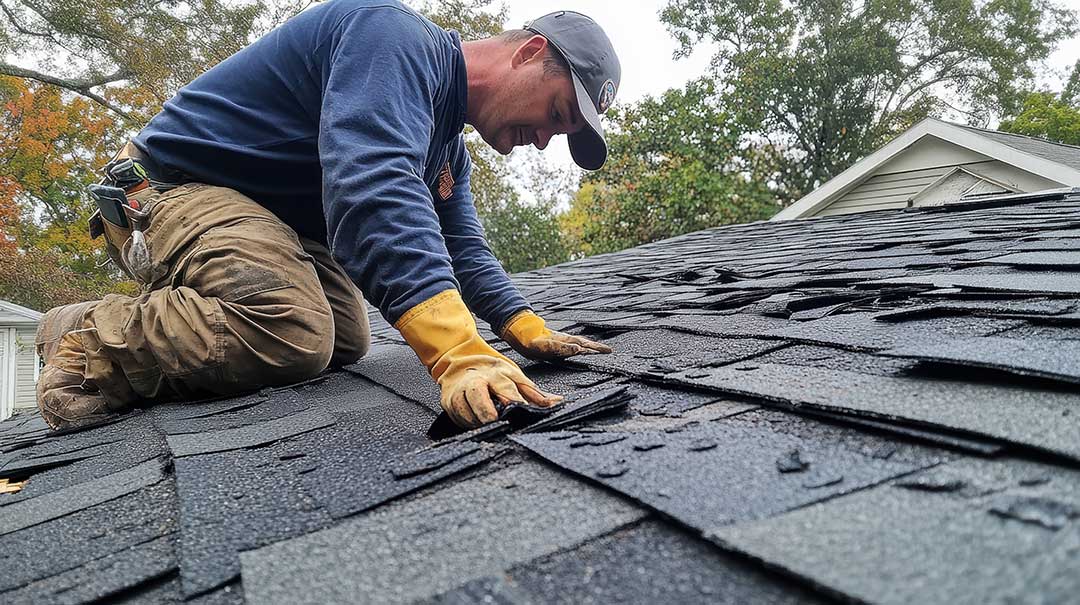
Inspections after major storms or at least once per year—especially in older homes—can help identify early concerns. For safety, most visual checks should be performed from the ground or an attic; accessing the roof directly poses risks.
Are There Local Misconceptions About Roof Underlayment?
A few common local myths sometimes lead to confusion:
- *"Shingles alone protect against leaks."* In reality, shingles are designed to repel water, but not to act as a watertight barrier—especially under winter ice or wind-driven rain.
- *"Old-style felt is always sufficient."* While still effective for some projects, standard felt can struggle to hold up against frequent freeze-thaw cycles found in this region.
- *"Underlayment can be skipped for small repairs."* Even when re-roofing a single section, continued protection relies on a full underlayment layer underneath new materials.
How Do Local Weather Patterns Influence Underlayment Choice?
Lancaster area homes experience dramatic temperature swings and substantial snowfall each year. These factors make high-quality underlayment crucial for several reasons:
- *Freeze-thaw cycles* can lead to frequent expansion and contraction, stressing roofing materials and exposing seams.
- *Heavy snowpack* raises the risk of ice dams, especially on lower-sloped roofs.
- *Rapid spring melt or summer downpours* can overwhelm roofs with water runoff.
Selecting underlayment formulated for cold climates, with strong waterproofing and tear resistance, is a practical approach for protecting local homes.
What Should Residents Know Before a Roof Replacement?
If a roof replacement is being considered—whether due to age, leaks, or storm damage—underlayment selection should be part of the discussion. Ensure installation practices match local code, include ice and water shield at eaves, valleys, and vents, and use a full-coverage underlayment compatible with the chosen roofing materials. Proper flashing at intersections and penetrations is also critical for a weather-tight outcome.
Homeowners with numerous architectural features, low slopes, or older attic insulation should discuss these details ahead of any major roofing project.
