

Why Can Holiday Decorations Harm Your Roof?
Storing holiday decorations directly on the roof or in roof-adjacent spaces can lead to unforeseen damage and costly repairs. Many homes in Lancaster, NY feature sloped asphalt shingle roofs, which are particularly susceptible to punctures, granule loss, and moisture intrusions from improper storage practices. Decorations left on or too close to the roof can block water flow, create ice dams, or even attract wildlife.
Common mistakes include setting heavy bins or boxes on the shingles, anchoring decorations by nailing or stapling into the roofing material, or using attic spaces without appropriate ventilation. While these shortcuts seem harmless, they can shorten your roof’s lifespan substantially, especially through wet and snowy seasons.
What Are the Risks of Storing Decorations on or Near Your Roof?
Storing holiday items on or near roofing areas exposes them—and your home—to multiple risks:
- Shingle Damage: Weight, moisture, or friction from containers and décor may dislodge, crack, or wear down shingles.
- Water Intrusion: Decorations or storage bins can impede water drainage, especially around gutters and downspouts, increasing leak risk.
- Animal and Pest Activity: Boxes stored near eaves or in unsealed attic spaces can attract rodents or birds seeking insulation or nesting material.
- Mold and Mildew: Poor ventilation in roof-adjacent spaces allows trapped humidity to damage both stored decorations and underlying roofing structures.
- Fall Hazards: Regular trips onto the roof or up steep attic ladders during icy weather are a major safety threat, especially during the winter.
Where Should Decorations Be Stored Instead?
The safest options for seasonal decoration storage are locations that do not compromise your roof’s integrity or your safety. Consider:
- Indoor Storage: Use organized shelves in basements, dedicated storage rooms, or large closets. These spaces offer greater insulation and protection from pests.
- Garage Storage: Place bins on elevated racks to prevent water or salt damage from vehicles and storms common in the area.
- Properly Sealed Attics: If you use your attic, ensure it is floored, well-ventilated, and insulated. Never set heavy objects directly onto rafters or against the underside of your roof.
Avoid placing decor or storage bins against the underside of roof decking or in contact with ventilation openings. Always ensure stored items won’t shift and block ventilation paths, as this is vital for preventing condensation and ice dam formation throughout the winter.
Can I Use My Attic Without Damaging My Roof?
Attics can be an acceptable storage location if certain conditions are met. Start by assessing:
- Ventilation: Ensure attic vents are unblocked, allowing humid air to escape. This reduces the risk of frost, which can damage both the roofing structure and stored items.
- Weight Distribution: Only store lightweight decorations. Heavy bins risk damaging joists or creating sagging points where the roof structure could be compromised.
- Moisture Barriers: In older homes, confirm that insulation and vapor barriers are intact, preventing moisture buildup that might travel through to the roof deck.
- Rodent Prevention: Use sealed containers to deter animals, and inspect periodically for droppings or chewing damage.
Never use exposed rafters or any roof-access hatch as a storage surface, as this can lead to structural wear over time.
What Storage Methods Should Be Avoided?
Certain methods, despite seeming convenient, almost always put roofs at risk:
- Hanging Decorations from Gutters or Roof Edges: The increased weight or wind movement loosens fasteners and can distort gutter alignment, causing drainage issues.
- Nailing or Stapling Into Roofing Materials: Creating even tiny holes in shingles, flashing, or wood allows water intrusion and weakens weatherproofing.
- Tarping or Wrapping Items on Roof Surfaces: Covering items left on the roof may trap moisture underneath, accelerating shingle deterioration or fostering mold growth.
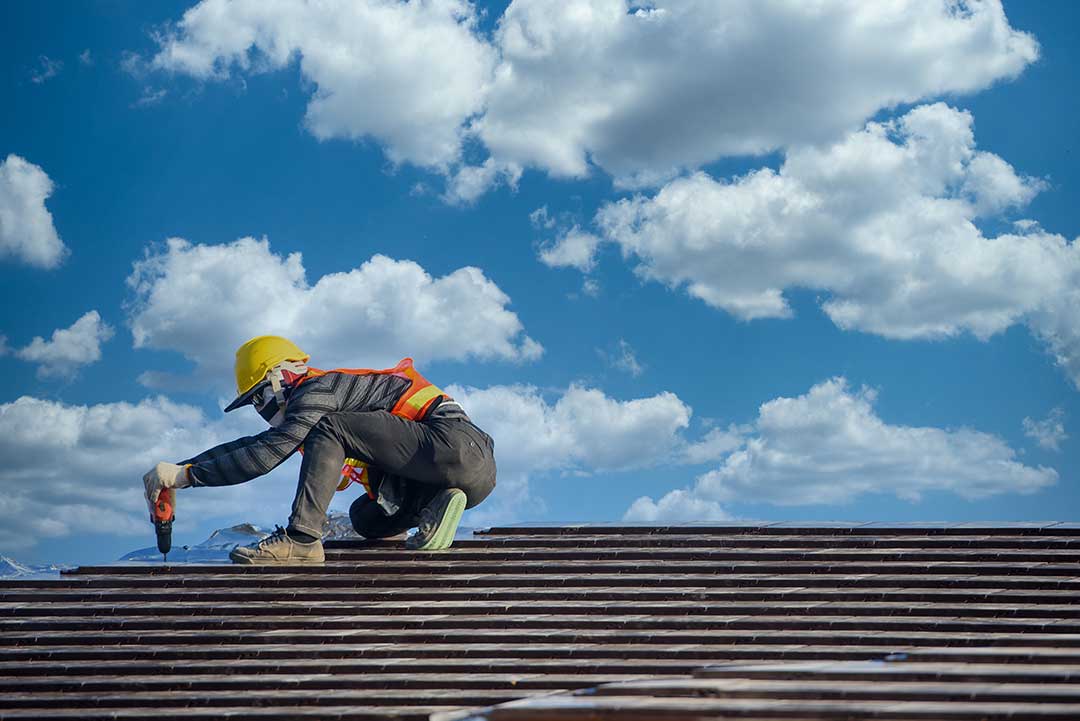
If in doubt, use ground-based anchors or store outside the weather entirely. Avoid the temptation to “temporarily” stash items where they’re exposed to the elements—or excess load—near or on your roof.
How Can I Prepare Roof-Adjacent Spaces for Safe Storage?
If you have limited indoor space and must use an attic or attached garage, there are precautions to protect both your roof and decorations:
- Install Sturdy Shelves or Platforms: Keep stored boxes off insulation and away from contact with rafters or roof decking.
- Seal Cracks and Gaps: Prevent rodents and moisture from entering storage areas, reducing risk of roof-deck contamination.
- Monitor Temperatures and Moisture Levels: Extreme fluctuations and condensation can warp decorations and undermine roof structure.
- Keep Clear of Roof Vents: Avoid stacking items near soffit vents, ridge vents, or any attic ventilation features.
A little organization can extend both the life of your decorations and the roof over your head.
What Does Local Weather Mean for My Storage Choices?
Lancaster’s winter season brings heavy snow, ice, and strong winds. Storage solutions must account for:
- Snow Load: Do not add extra weight to the roof with stored decorations or containers, as snow and ice already strain the structure.
- Ice Dams: Ensure gutters are free of blockages, including oversized decorations or support cords, to prevent backup and leaks.
- Humidity Fluctuations: Freeze/thaw cycles in attics require vigilant monitoring for condensation. Proper airflow and keeping decorations in sealed, water-resistant bins directly on a floored attic surface (not on insulation or rafters) is best.
Think long-term: temporary convenience now can cause significant complications later in the season.
