

How Do Skylights Interact with Your Roof's Structure?
Skylights require modifications to your roof, which can influence both its structure and weather resistance. Adding a skylight means removing a section of roofing materials and sometimes cutting through rafters or trusses. In homes across Lancaster, this work must be carefully planned to maintain structural integrity, especially considering seasonal snow loads typical in Western New York.
Extra framing (known as a “cradle” or “header” system) distributes the weight around the skylight, protecting the roof’s original support. Proper installation ensures that the new window doesn’t compromise the roof’s ability to withstand wind, rain, or the weight of accumulated snow — all of which are frequent local concerns.
Can Skylights Cause Roof Leaks?
Skylights are often associated with leaks, but most issues arise from incorrect installation or poor maintenance rather than the skylight itself. In the community, where frequent freeze-thaw cycles and heavy rainfall are common, water can easily find its way through small gaps if flashing and waterproofing materials are not carefully sealed.
Modern skylights are designed with weatherproof barriers and engineered flashing kits. But for older homes or after DIY installations, these areas can become weak points. Residents sometimes overlook the need to check caulking or flashing after winter storms or roof repairs, leading to possible leaks that manifest as stains, drips, or mold inside the house.
What About Insulation and Energy Efficiency?
Properly installed skylights should not make a home less energy efficient, but mistakes commonly introduce drafts or unwanted heat loss. In Lancaster’s climate, energy efficiency matters significantly during both hot summers and cold winters. Skylights must have insulated glazing and tight seals to prevent heat from escaping during winter or hot air from entering during summer.
Locally, homeowners sometimes notice rooms below skylights feeling colder in winter or warmer in summer. This can result from older single-pane units or broken seals allowing air leakage. Modern double- or triple-glazed skylights, paired with insulated flashing and blinds or shades, greatly reduce this problem.
Do Skylights Affect Roof Longevity?
A well-installed skylight does not necessarily shorten the life of your roof, but several factors can increase risks:
- Improper or rushed installation causing persistent leaks
- Flashing that fails due to local weather extremes (ice dams or heavy winds)
- Overlooking regular maintenance, like cleaning debris from around the skylight
Roofs in the area are already challenged by snow and ice build-up, which can aggravate any weak points near a skylight. Taking the time to clear fallen branches, leaves, and snow from around the unit — especially during winter thaw cycles — helps preserve both skylight and roof lifespan.
How Should Roof Repairs or Replacement Be Handled with Skylights?
Any major roof repair or replacement involving a skylight needs extra preparation. Removing old roofing sometimes disturbs flashing and seals around the skylight, creating potential leak points if not addressed.
Local experience suggests that aging skylights, especially those close to 20 years old, may need upgrading during a new roof installation. If a new skylight isn’t installed during re-roofing, mismatched lifespans can mean additional roof work in the near future, potentially increasing long-term costs and disruption.
Are Skylights Prone to Condensation or Other Interior Problems?
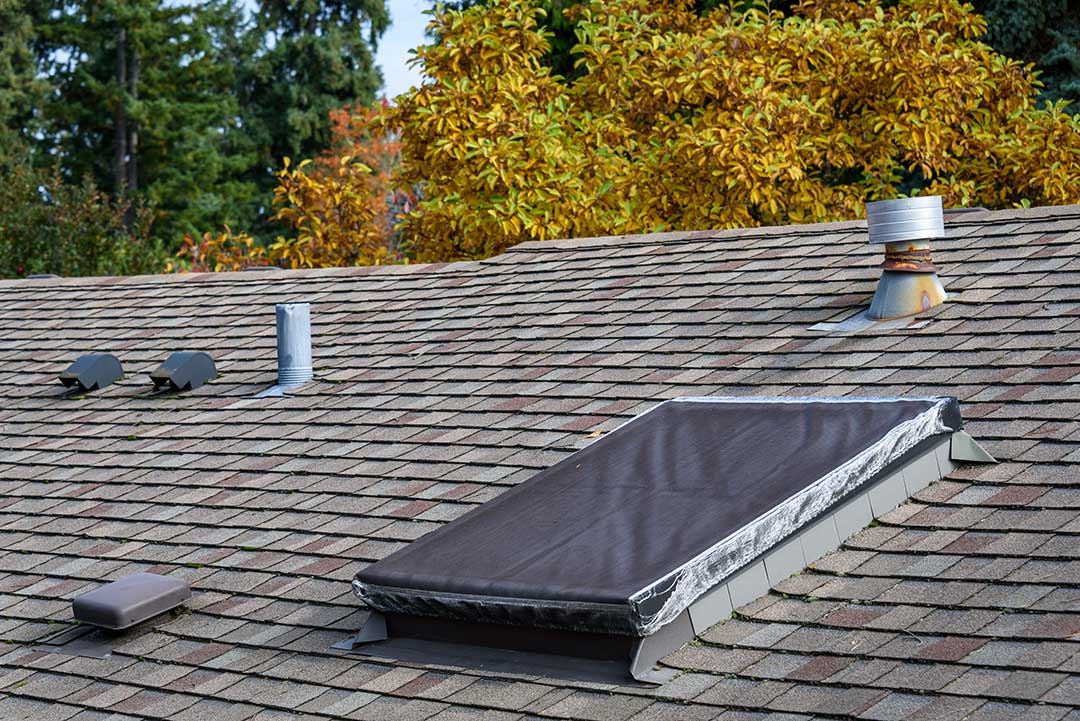
In colder climates, skylights can occasionally generate surface condensation due to the temperature difference between outdoors and indoors. This is more noticeable with older models or in rooms with higher indoor humidity, such as kitchens and bathrooms. Condensation is not inherently a roof problem, but the resulting moisture can seep into seals or drywall, leading to rot or mold if ignored.
Reducing condensation can be as simple as improving ventilation near the skylight or using insulating shades during winter nights. Checking for signs of persistent condensation and addressing interior leaks promptly helps avoid hidden damage.
What Are Some Common Misconceptions About Skylights and Roofs?
Many residents believe that skylights always cause roof problems, but the real issues almost always tie back to installation quality and maintenance. Some misunderstandings include:
- Believing all leaks stem from the skylight itself, when roof valleys nearby or blocked gutters can be to blame
- Thinking modern skylights are as drafty or prone to shattering as older styles; newer models use tempered or laminated glass and weather-resistant seals
- Assuming professional installation is optional — but complex structural or flashing work in older homes almost always requires technical experience
What Specific Factors Should Be Considered in Lancaster?
Homes here face unique stressors from winter snow, spring rainstorms, and the occasional summer heatwave. The steepness (pitch) of roofs, attic insulation levels, and the condition of existing roof materials all affect skylight performance.
Ventilated or opening skylights offer welcome airflow in humid summers, but they should close tightly against rain and wind. Deer and falling branches are additional local hazards that can occasionally damage exposed skylights, so trimming nearby trees may also benefit roof health.
Seasonal inspections, especially before and after winter, help area households spot potential issues before they grow larger. This approach protects both the skylight investment and the overall longevity of the roof.
