
What Is the Difference Between Re-Roofing and Roof Replacement?
Re-roofing and roof replacement are two common solutions for aging or damaged roofs, but they involve different approaches and have unique implications for local homes. In short, re-roofing means adding a new layer of shingles over an existing roof, while full replacement involves removing all old roofing materials down to the deck and installing a complete new roof system.
Understanding the differences can help area residents make informed choices about protecting their homes and planning for seasonal maintenance, especially given the climate.
When Is Re-Roofing an Option?
Re-roofing offers a quicker, less disruptive way to restore a roof’s appearance and water-shedding ability—if certain conditions are met. This method is typically considered when:
- The existing roof has just one layer of asphalt shingles (local building codes often restrict roofs to two layers for safety and structural reasons).
- The underlying roof deck is in sound condition with no significant rot, sagging, or water damage.
- The current problems are limited to surface wear, minor leaks, or aesthetic concerns, not structural failures.
Very old roofs, those with extensive moss or soft spots, or homes that have already been re-roofed once are rarely good candidates. In humid or rainy seasons, covering up underlying water damage can lead to bigger issues down the line.
What’s Involved in a Full Roof Replacement?
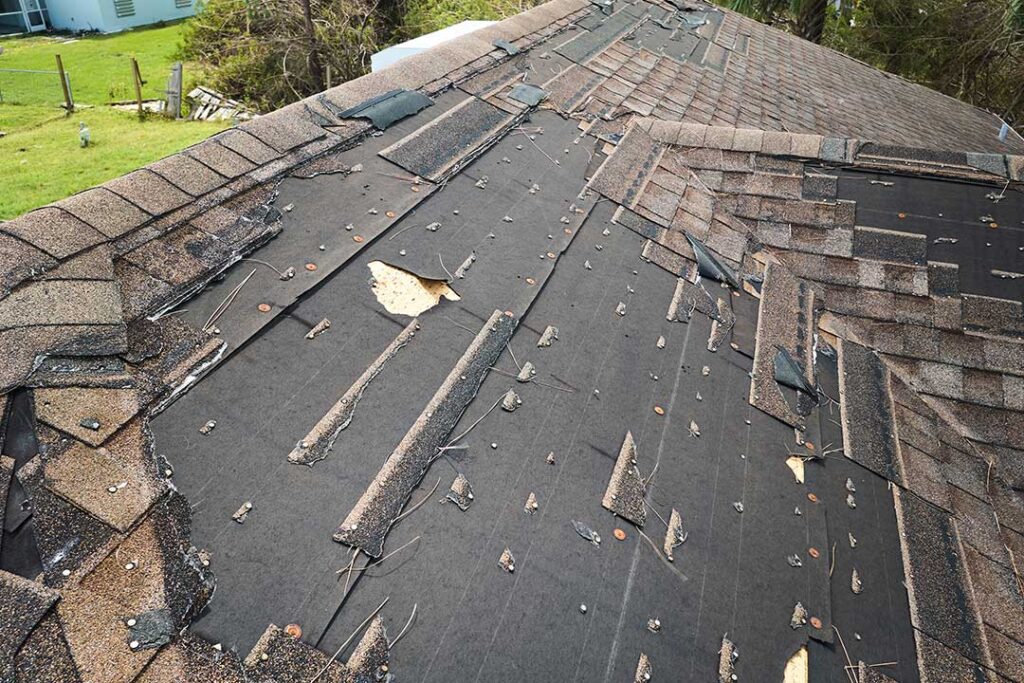
Roof replacement requires stripping off all old roofing materials—shingles, underlayment, and sometimes flashings or trims—down to the bare roof deck. This exposes the structure for inspection and repair if needed, allowing for:
- Replacement of rotted or weakened decking common after heavy winter snow and freeze-thaw cycles.
- Improved attic ventilation, which is valuable in homes that experience ice dams or attic condensation.
- Installation of modern underlayments and water barriers that offer better long-term leak protection and ice dam resistance, an important factor during local winters.
A new roof system can be built from the bottom up, which means fewer surprises, cleaner installation, and peace of mind that issues aren’t being concealed beneath new shingles.
Which Solution Lasts Longer?
Full roof replacement typically lasts longer than re-roofing, especially for homes exposed to variable weather patterns and drastic temperature shifts between seasons. Re-roofing may have a shorter effective lifespan because:
- Old and new shingles can age at different rates.
- Trapped heat and moisture between shingle layers can accelerate wear, especially during humid summer months or after heavy snow melts.
- Any undetected issues with the old materials may get worse over time.
A newly replaced roof can last 20–30 years or more (depending on materials and installation), while a re-roofed surface may need another intervention much sooner.
How Do Local Building Codes Affect These Choices?
Most residential properties in the city are subject to building codes that limit the number of roofing layers allowed—usually two at most. Codes also specify installation standards to help safeguard homes during heavy snows, windstorms, and rapid weather changes that are common locally.
Owners of older homes, or homes with more than one roofing layer, will almost always require a full replacement for code compliance and safety. Permits may be required for either option, but especially for full replacements, which are inspected to make sure structural and weatherproofing standards are met.
What Are Common Misconceptions About These Roofing Options?
Residents sometimes believe re-roofing is always a “fix-all” or a way to extend the life of any roof. In reality:
- Re-roofing doesn’t address water damage or decking problems.
- Covering over old shingles can look uneven or bumpy, especially on roofs with existing waves or patches.
- Thicker shingle layers do not necessarily mean better protection; in fact, too much weight can strain older trusses or rafters.
On the other hand, some assume replacement is extreme or always more costly. While it can involve greater upfront investment and time, it often prevents expensive repairs in the future by exposing hidden concerns before they worsen.
Which Option Makes Sense for Local Homes?
There’s no universal answer. For homes in the city with relatively new, single-layer asphalt shingle roofs that show only cosmetic wear, re-roofing may provide a practical, short-term improvement. Homes with signs of leaks, spots of visible sagging, heat loss, chronic ice dams, or soft decking will benefit much more from a thorough replacement.
Homes in neighborhoods where houses are closely spaced may also want to consider replacement as a quieter, more neighbor-friendly option—removing old materials helps keep mess and nails out of adjoining yards.
What Should Residents Watch Out for Seasonally?
Frequent freeze-thaw cycles, heavy precipitation, and strong winds can all expose and worsen minor roofing issues quickly. After storms or long winters:
- Inspect attics for signs of moisture, mold, or daylight peeking through the roof boards.
- Look for loose or curling shingles, especially near valleys and around chimneys.
- Pay attention to areas where snow or ice accumulates, as these are prime spots for hidden damage.
Local households who keep up with post-winter and post-storm roof checks can catch problems before they spread—whether re-roofing or replacement is required.
