
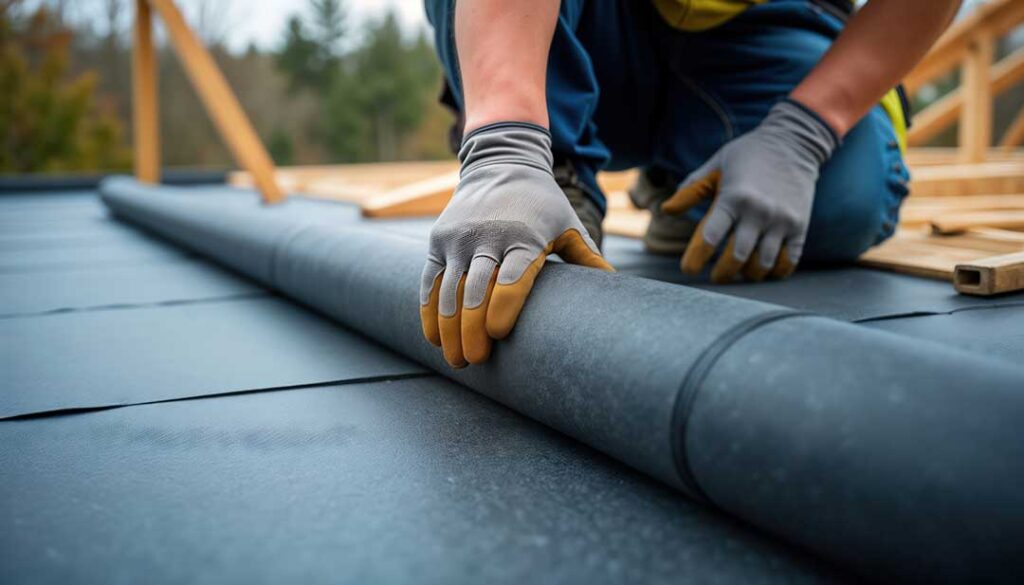
A typical asphalt-shingle roof in Lancaster, NY lasts about 20 to 30 years, although some roofs need major repairs sooner and others remain serviceable longer. The actual lifespan depends on the roofing material, installation quality, ventilation, storm exposure, maintenance, and the age and condition of the roof deck beneath it.
What is the average lifespan of common roofing materials?
Roofing materials do not all age at the same rate. Approximate service lives include:
- Basic asphalt shingles: 15 to 20 years
- Architectural asphalt shingles: 20 to 30 years
- Higher-grade asphalt shingles: 25 to 40 years in favorable conditions
- Metal roofing: 40 to 70 years, depending on the system and maintenance
- Wood shingles or shakes: 20 to 30 years when properly maintained
- Slate roofing: 50 years to more than 100 years
- Clay or concrete tile: 40 to 75 years, although the supporting structure may require attention sooner
These are general ranges rather than guarantees. A roof installed over poor ventilation, exposed to repeated storm damage, or affected by moisture may deteriorate much earlier than the material’s expected lifespan.
For many households, the most common roof is an asphalt-shingle system. In that case, the 20- to 30-year range is a useful starting point, not a precise expiration date.
How does Lancaster’s climate affect roof life?
Seasonal weather can shorten or extend a roof’s useful life. In Lancaster, roofs commonly face freezing temperatures, snow, ice, wind, summer heat, humidity, and repeated transitions between wet and dry conditions.
Freeze-thaw cycles are particularly significant. Water can enter small cracks or gaps, freeze, expand, and gradually enlarge the opening. This process may affect shingles, flashing, masonry around roof penetrations, and exposed roofing materials.
Snow itself is not always the main problem. More relevant factors include:
- Repeated snow accumulation and melting
- Ice forming along colder roof edges
- Strong wind lifting or loosening shingles
- Wet leaves and debris holding moisture against the roof
- Tree branches rubbing against roofing surfaces
- Poor attic ventilation that allows heat and moisture to build up
A roof with good drainage, intact flashing, proper attic ventilation, and limited exposure to falling branches generally has a better chance of reaching the upper end of its expected lifespan.
Does a roof’s age tell the whole story?
No. Age is useful, but condition matters more than the calendar alone. A 22-year-old roof may still be performing adequately if it has been maintained and has no widespread deterioration. A 12-year-old roof may have serious problems if it was damaged by wind, installed incorrectly, or exposed to persistent moisture.
Roof age should be considered together with visible and functional signs such as:
- Shingles that are cracked, curling, blistered, loose, or missing
- Granules collecting in gutters or downspouts
- Dark streaks or areas of moss and algae growth
- Rusted, lifted, or damaged flashing
- Water stains on ceilings or attic framing
- Daylight visible through the roof deck
- Sagging areas along the roofline
- Repeated leaks in the same location
- Rising heating or cooling costs caused by poor attic conditions
A small isolated defect does not automatically mean the entire roof has reached the end of its life. The pattern, location, and extent of the damage help determine whether repair or replacement is more appropriate.
How can homeowners estimate remaining roof life?
The best estimate comes from combining the roof’s installation date with a visual assessment of its present condition. If the installation date is unknown, property records, previous inspection reports, closing documents, photographs, or receipts may provide clues.
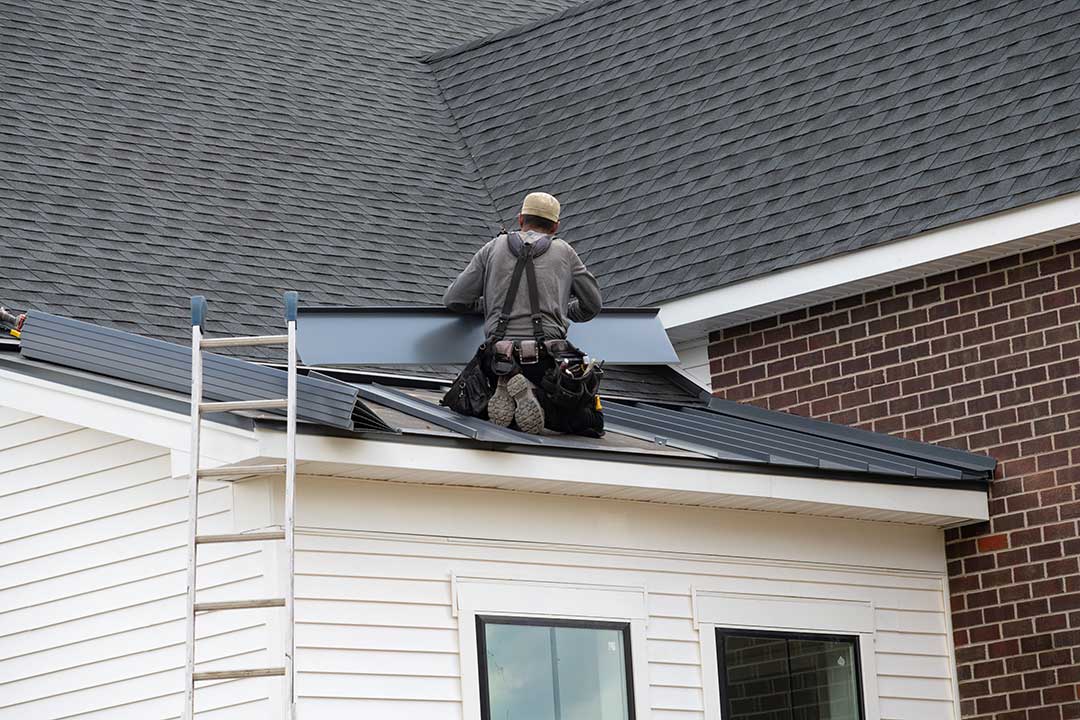
A practical approach is to ask:
1. How old is the roof?
2. What material was used?
3. Have there been leaks or storm repairs?
4. Are problems limited to one area or spread across the roof?
5. Is the attic dry and properly ventilated?
6. Are the shingles still flexible and firmly attached?
7. Is the roof deck solid, or does it show moisture damage?
Roofs approaching the expected end of their service range deserve closer observation, especially before the winter season. A condition assessment can help distinguish normal aging from defects that require prompt attention.
What roof problems should not be ignored?
Some conditions call for timely action because they can allow water to reach insulation, framing, ceilings, and interior finishes.
Active leaking is the clearest warning sign, but water may not appear directly below the damaged area. Roof leaks can travel along rafters, sheathing, insulation, or wall cavities before becoming visible indoors.
Other concerns include:
- Sagging sheathing or roof sections
- Large areas of missing or wind-damaged shingles
- Exposed underlayment or roof decking
- Damaged vents, chimneys, skylights, or pipe flashings
- Heavy moss or organic growth that keeps roofing materials damp
- Ice buildup associated with recurring interior water damage
- A ceiling stain that grows after rain or snowmelt
Electrical fixtures near water stains may present an additional safety concern. Active leaks, unstable roof areas, and storm damage can also create fall and structural hazards, making qualified evaluation appropriate.
Can maintenance make a roof last longer?
Maintenance cannot stop normal aging, but it can reduce avoidable damage and help identify problems early. Useful tasks include keeping gutters and downspouts clear, trimming branches that contact the roof, checking attic moisture, and observing flashing and roof penetrations after major storms.
The roof should not be walked on casually. Asphalt shingles can be damaged by foot traffic, especially in cold weather or after they have become brittle. Moss and debris should also be addressed carefully because aggressive scraping or pressure washing may remove protective granules or damage the shingle surface.
Ventilation matters as well. An attic that is too warm in summer or damp in winter can contribute to premature shingle aging, condensation, wood decay, and uneven roof performance. Insulation, air sealing, intake ventilation, and exhaust ventilation need to work together.
Is a roof replacement needed as soon as it reaches 20 years?
Not necessarily. A 20-year-old roof should be evaluated more closely, but age alone is not proof that replacement is immediately necessary. If the shingles remain intact and the roof is keeping water out, continued service may be possible.
Replacement becomes more likely when deterioration is widespread, repairs are frequent, the roof deck is damaged, or the remaining service life is limited enough that repeated repairs no longer provide a practical solution. Local weather exposure also matters: delaying action on a visibly failing roof may increase the chance of interior damage during a severe storm or winter thaw.
For residents planning to sell or renovate a home, roof age can also affect inspection findings, insurance questions, and budgeting decisions. Keeping clear records of repairs and inspections makes the roof’s history easier to understand.
What is a realistic expectation for a typical home?
For a well-maintained asphalt-shingle roof, planning around 20 to 30 years is reasonable. Some roofs need significant work earlier, while carefully installed and well-maintained systems may last beyond that range.
The most reliable way to judge a roof is not by age alone, but by combining age, material, installation history, ventilation, storm exposure, and visible condition. In a climate with snow, wind, and repeated freeze-thaw cycles, seasonal observation and prompt attention to small defects can help prevent a manageable roofing issue from becoming an interior water problem.
