

What Are the Latest Advancements in Roofing Materials?
Recent innovations in roofing materials offer local homeowners more choices than ever before. Traditional asphalt shingles remain popular, but new options are gaining attention for their longevity and adaptability. Composite shingles, made from a blend of recycled plastics and rubber, deliver better resistance to weather extremes and hail—an important consideration given the region’s mix of snowy winters and humid summers.
Metal roofing, once mostly limited to barns or commercial properties, has become more common on area homes due to improved coatings that prevent rust and reflect heat. Some modern metal roofs even mimic the appearance of wood shakes or slate, blending durability with classic neighborhood character. Homeowners interested in sustainability may notice a rise in cool-roof materials, which reflect sunlight and can help manage summer cooling bills without sacrificing appearance.
How Are Roofs Becoming More Energy-Efficient?
Energy efficiency is a constant concern in homes across the city, especially given high heating and cooling demands. Recent changes in roofing technology focus on managing temperature and reducing energy use. Two popular approaches stand out:
- Reflective Shingles and Tiles: These surfaces are engineered to bounce more sunlight away, helping the attic stay cooler during the hottest summer days.
- High-Performance Underlayment: Beneath the visible roofing, advanced synthetic barriers now provide better water resistance and insulation, cutting down on both leaks and energy loss.
Some area homes have begun using “vented roof” assemblies, which improve airflow between roof deck and insulation. This technique can play a big role in reducing ice dams, a frequent winter concern.
Are Solar Roofing Options Practical for Local Homes?
Solar roofing has grown in appeal as costs decrease and efficiency improves. Instead of large, rack-mounted panels, new solar shingle technologies allow for a seamless, integrated look. These systems give homeowners the benefits of solar generation without altering a house’s curb appeal. In snowy climates like this one, it’s important to choose products rated for cold-weather durability and discuss roof pitch and snow load with an informed installer.
Although up-front costs remain higher than standard roofing, state and federal incentives can help offset the investment. Neighbors who have installed solar often prioritize southern-facing slopes and make sure their roof is in excellent shape before adding solar products, helping them maximize performance and longevity.
How Do Smart Roofing Technologies Improve Maintenance?
Sensors and smart systems are making roofs easier to monitor and maintain. Some modern roof assemblies include moisture sensors or wireless leak detectors. These can alert homeowners to trouble spots—such as ice dam formation or slow leaks—long before visible damage appears inside the home.
In climates with heavy annual snowfall, being able to spot early warning signs is especially valuable. Smart venting systems and attic monitors are also being used to track temperature and humidity, reducing the risk of condensation and mold in poorly ventilated attics.
Which Innovations Help Roofs Last Longer in This Area’s Climate?
Longevity is a major focus for both new builds and roof replacements across the region. Key innovations improving roof lifespan include:
- Impact-Resistant Shingles: Thicker, reinforced shingles stand up better to wind-driven debris, hail, and ice, which are all common local concerns.
- Self-Sealing Technology: Advanced adhesives activated by sunlight or heat help keep shingles in place during high winds and storms.
- Improved Roof Ventilation: Modern ridge and soffit vent systems prevent heat buildup beneath the roof and reduce the cycle of freeze-thaw that causes early shingle aging.
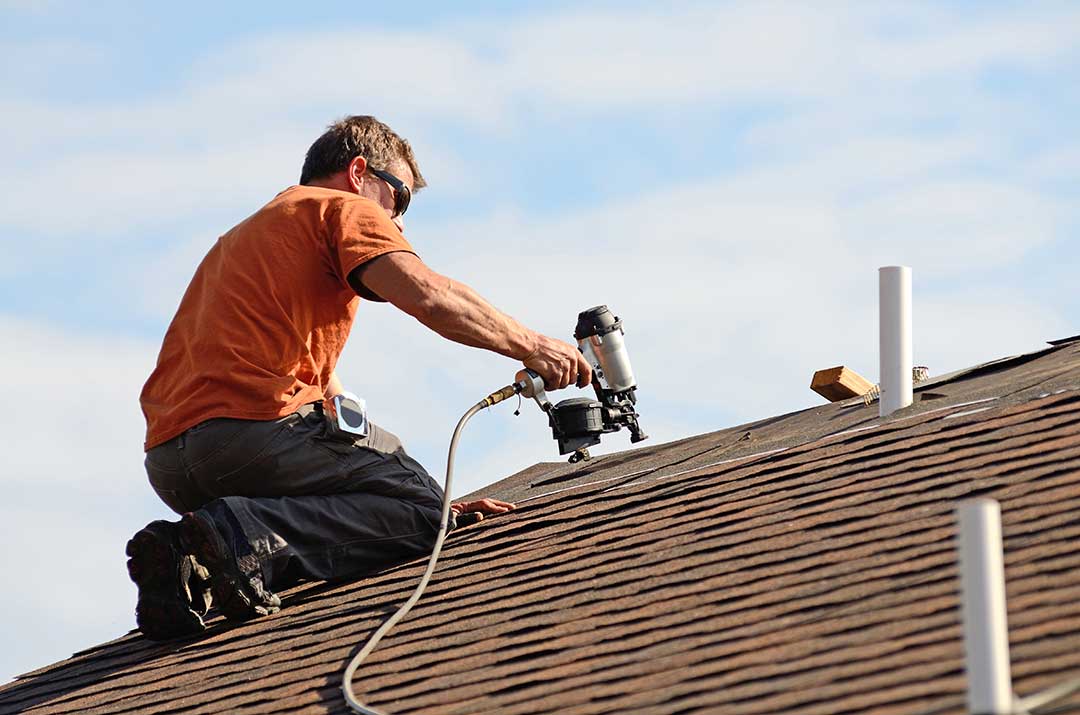
Routine maintenance matters, too. For example, new algae-resistant shingles contain copper or zinc granules, minimizing the dark streaks often seen in humid or tree-shaded yards. This not only helps roofs last longer but also keeps homes looking well-maintained.
Are There Misconceptions About Roofing Upgrades and Technology?
It’s a common misconception that every new roofing technology is suitable for every style of home. While innovative materials or solar options sound appealing, certain historic properties or homes with complex rooflines may not be the best candidates for every trend. Additionally, not all “lifetime” products actually last forever—factors like ventilation, attic insulation, and regular roof inspections remain important contributors to overall durability.
Another overlooked factor is attic ventilation, which plays as large a role in roof longevity as shingle selection. Many area homes were built with minimal ventilation and could benefit from straightforward improvements as part of any roof upgrade.
What Should Homeowners Consider Before Adopting These Technologies?
Homeowners considering modern roofing technologies should weigh several factors before making decisions:
- Compatibility with Existing Roof Structure: Heavier materials or solar systems may require additional structural support.
- Local Climate Needs: Some products, such as certain solar shingles or synthetic tiles, have specific temperature or weather limits.
- Building Codes and HOA Rules: Any significant roof upgrade should be reviewed to ensure compliance with local regulations and neighborhood guidelines.
- Long-Term Maintenance: New materials and smart technologies sometimes require different upkeep schedules or specialized repair knowledge.
Talking with building inspectors or reviewing trusted resources about what’s working well in the community can provide clarity on which advancements fit best for local homes and lifestyles. Careful consideration of these factors helps area households make informed choices that truly improve comfort, efficiency, and peace of mind for years to come.
